See how AI agents actually work
An AI agent is a language model given a goal, and often tools and other agents, so it can work through a task in steps instead of answering in one shot. This lab walks through six ways to wire that up, from a single model call to coordinated multi-agent systems, each with a playground you can run.
The patterns
Six architectures, one demo each
They build on each other. Start at the top and each page adds one idea: retrieval, then ordering, then parallelism, then combining them.
- 01Foundational pattern
Single AI Agent
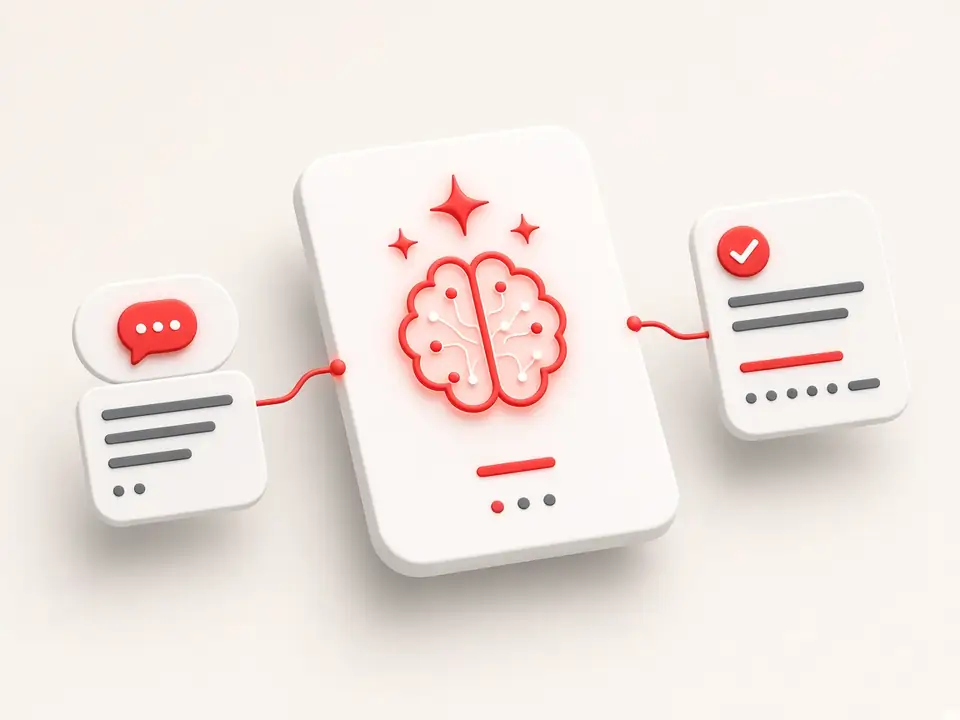
One model answers directly — no tools, no retrieval, no other agents.
Best for quick, self-contained questionsTry it - 02Retrieval-Augmented Generation
RAG
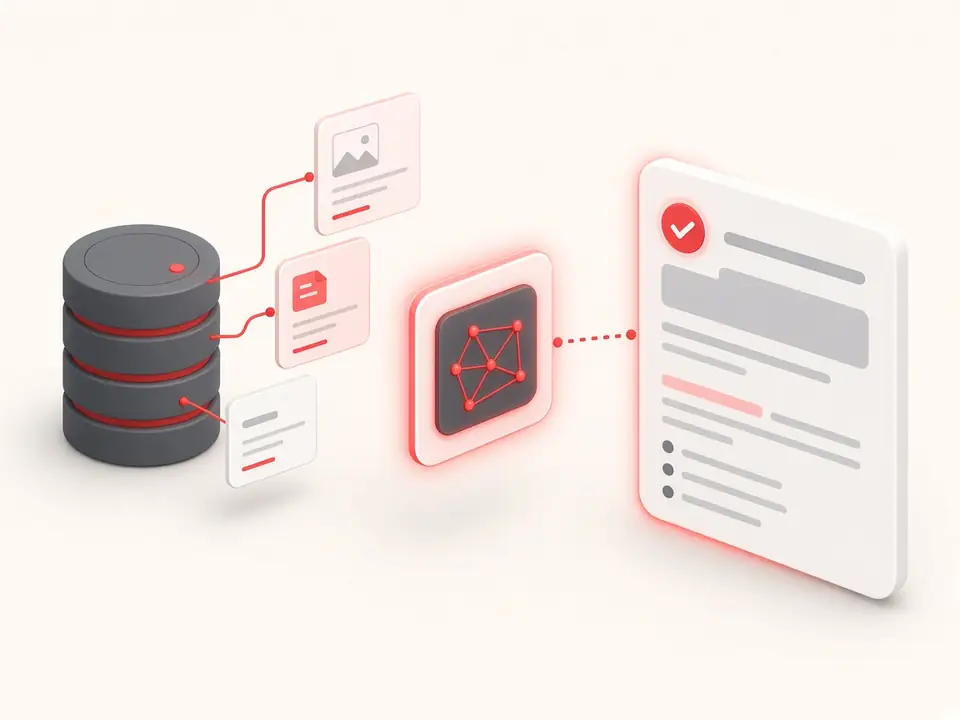
The model answers from your documents by retrieving relevant passages first, then citing them.
Best for questions about private or changing dataTry it - 03Pipeline pattern
Sequential Multi-Agent System
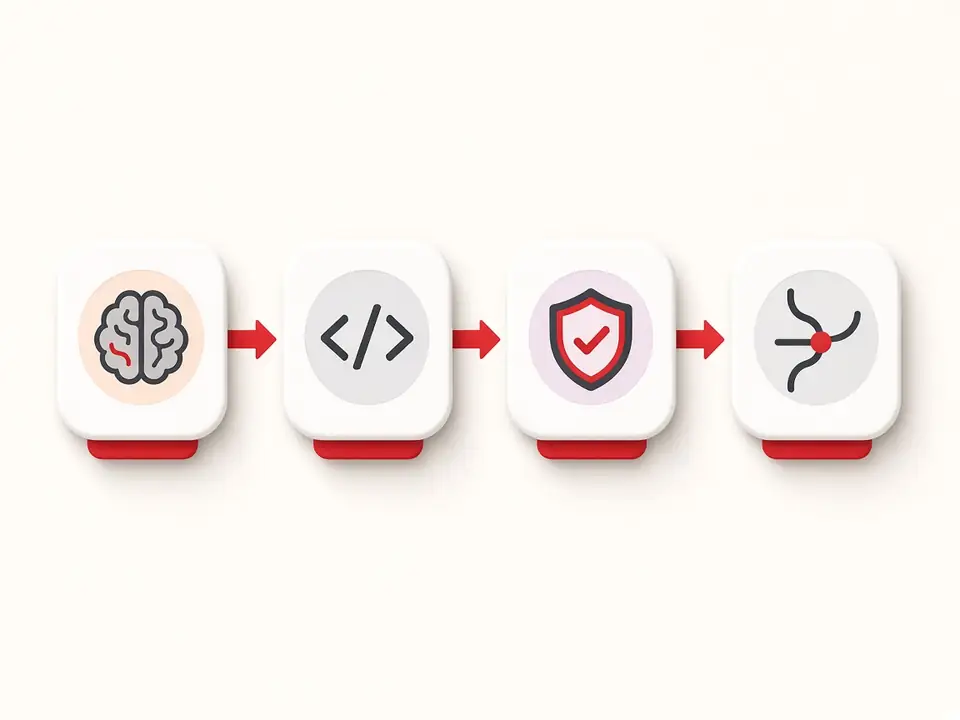
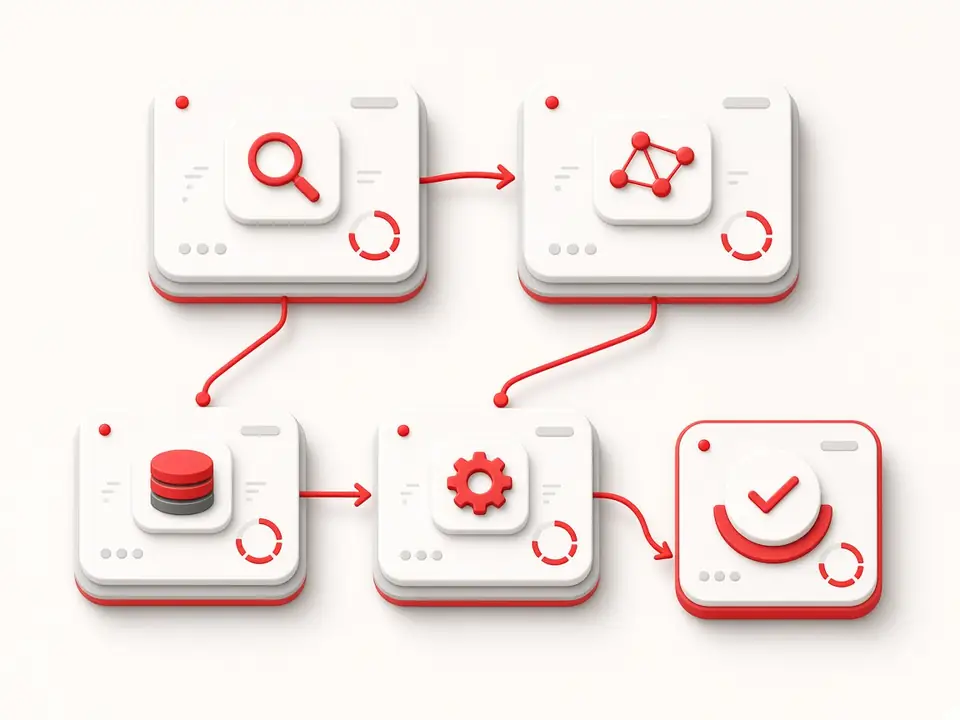
Specialised agents run in a fixed order, each one building on the last one's output.
Best for multi-stage work with a clear orderTry it - 04Fan-out / fan-in pattern
Parallel Multi-Agent System
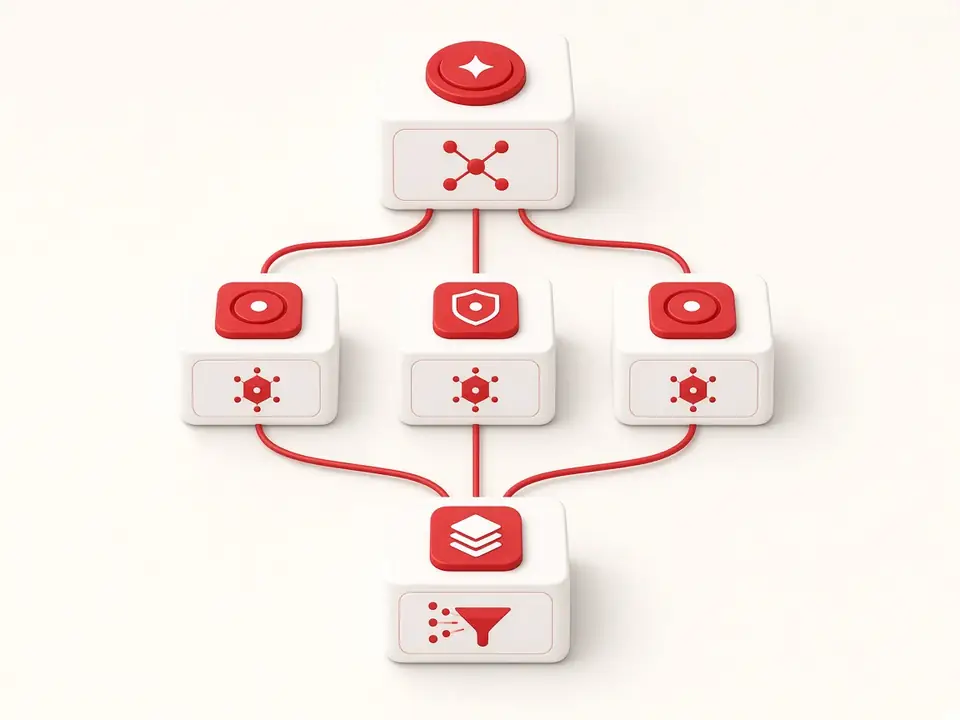
An orchestrator splits the task, several agents work at once, and their results are merged.
Best for tasks that break into independent partsTry it - 05Mixed topology pattern
Hybrid Multi-Agent System
A parallel research phase feeds a sequential decision phase — parallel where it can, ordered where it must.
Best for research-then-decide workflowsTry it - 06Retrieval inside a pipeline
RAG-Integrated Multi-Agent System
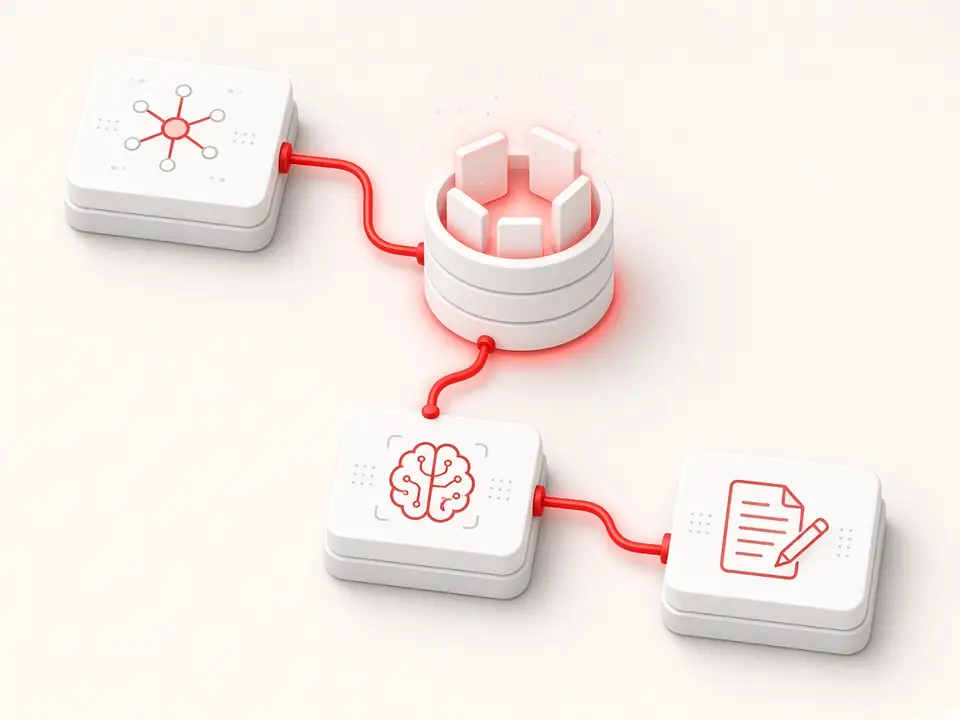
A multi-agent chain with retrieval built in as a step — retrieve, interpret, then write.
Best for grounded answers that need interpretationTry it